
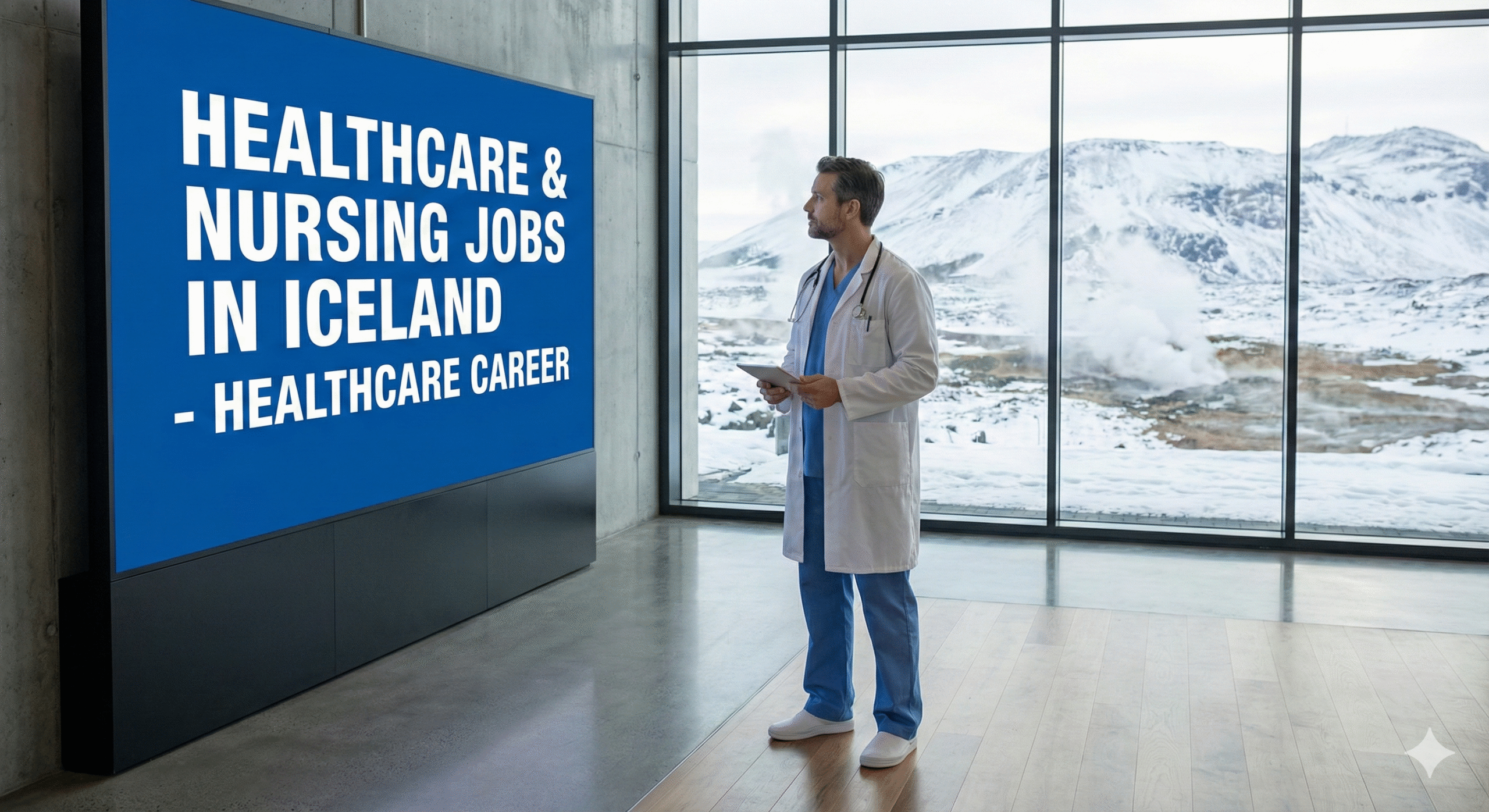
Imagine building your healthcare career amid Iceland’s stunning landscapes, where your skills are valued, your profession is respected, and your quality of life is unmatched. Iceland’s healthcare sector is actively seeking international nurses, doctors, and medical professionals, offering visa sponsorship, competitive salaries from 2.76 million to 9.53 million ISK per year, and roles in world-class facilities like Landspítali National University Hospital. If you’re ready to bring your healing expertise to a nation known for innovation and well-being, your next professional chapter awaits in Iceland.
Current Nursing/Healthcare Job Vacancies
The following roles represent ongoing opportunities:
- Medical and Health Services Manager
- Location: Medcruit Iceland
- Salary: $150,000 – $180,000 per year
- Employment Type: Full-time
- Sector: Health Care Management
- Medical Secretaries and Administrative Assistants
- Location: Medcruit Iceland
- Salary: $115,200 – $153,600 per year
- Employment Type: Part-time
- Sector: Health Care Administration
- Nurse I or II
- Location: Loyalton, CA, USA (Note: This listing appears incorrectly geotagged; verify if the employer recruits for Iceland placements).
- Salary: $88,000 – $138,000
- Employment Type: Full-time
- Registered Nurse (RN)
- Location: Reykjavik, Iceland
- Salary: $80,000 – $100,000 Per Year
- Employment Type: Full-time
- Case Manager, Registered Nurse – Fully Remote
- Location: Carson City, NV, USA (Verify if this role supports international hires for Icelandic operations).
- Salary: $26.01 – $74.78/hr
- Employment Type: Full-ti
Average Salary for Registered Nurses in Iceland
The average annual salary for Registered Nurses ranges from approximately 2,759,700 ISK to 9,528,200 ISK.
- Salary by Experience (Annual in ISK):
- 0–2 Years: ~3,132,800 ISK
- 2–5 Years: ~4,176,700 ISK
- 5–10 Years: ~6,168,300 ISK
- 10–15 Years: ~7,523,300 ISK
- 15–20 Years: ~8,206,100 ISK
- 20+ Years: ~8,879,100 ISK
- Overall Salary Range:
- Highest Annual Salary: ~9,528,200 ISK
- Average Annual Salary: ~5,989,600 ISK
- Lowest Annual Salary: ~2,759,700 ISK
- Salary by Education Level (Annual):
- Bachelor’s Degree: ~3,635,200 ISK
- Master’s Degree: ~7,020,500 ISK
Top Hospitals and Health Centers Hiring
Leading healthcare employers in Iceland include:
- Landspítali – The National University Hospital of Iceland (Reykjavik)
- Akureyri Hospital (Akureyri)
- FSA – The Medical Center of West Iceland (Borgarnes)
- Reykjavik City Hospital
- Health Centers nationwide (e.g., in Selfoss, Húsavík, Vestmannaeyjar)
Basic Requirements for Healthcare Jobs
General eligibility criteria include:
- Educational Qualification: A recognized Bachelor’s degree or higher in the relevant field (e.g., B.Sc in Nursing, MBBS, MD). Degrees must be validated by ENIC/NARIC Iceland.
- Professional Licensing: Must obtain a license to practice from the relevant Icelandic authority:
- Nurses: Icelandic Directorate of Health (Landlæknisembættið).
- Doctors: Icelandic Medical Association (Læknafélag Íslands).
- Language Proficiency: Fluent Icelandic is almost universally required for clinical roles to ensure patient safety and effective communication. Advanced English is also essential.
- Experience: Relevant post-qualification clinical experience is typically required.
- Visa & Work Permit: Non-EEA/EU citizens must secure a work and residence permit. The employer must act as the sponsor and demonstrate that the position cannot be filled locally. The process is managed through the Icelandic Directorate of Immigration.
Benefits of Healthcare & Nursing Jobs in Iceland
1. High Salary Packages
Healthcare professionals in Iceland earn some of the best wages in Europe. Nurses, caregivers, and allied health staff enjoy strong pay scales supported by national labor agreements.
2. Excellent Work-Life Balance
Iceland is known for short working hours, generous leave policies, and a culture that prioritizes well-being. Nurses often report less burnout due to manageable shift schedules.
3. Strong Job Security
With an aging population and continuous demand for healthcare services, foreign nurses and caregivers enjoy stable, long-term employment opportunities.
4. Modern Healthcare System
Iceland’s hospitals and clinics use advanced equipment, digital records, and updated medical protocols making it a great environment for career growth.
5. Visa Sponsorship Opportunities
Many public and private healthcare institutions sponsor skilled foreign workers due to workforce shortages, making it easier to relocate.
6. Paid Annual Leave & Public Holidays
Nurses typically receive 24–30+ days of paid vacation plus public holidays, providing ample time for rest or travel.
7. Free or Subsidized Healthcare
Foreign healthcare staff often receive subsidized medical care, including dental benefits depending on the employer.
8. Safe, Peaceful Living Environment
Iceland is one of the world’s safest countries with low crime rates and a strong sense of community ideal for families and long-term settlement.
9. Strong Worker Rights & Unions
Healthcare workers are protected by strong labor unions that advocate for fair pay, safe working conditions, and workplace benefits.
10. Opportunities for Family Reunion
Many visas allow dependents to join you, giving families a path to live and settle together in Iceland.
11. Clean, Healthy Environment
Iceland offers fresh air, natural landscapes, and a lifestyle focused on outdoor activities great for personal health and mental well-being.
12. Pathway to Long-Term Residency
Continuous employment and legal residency can open doors to permanent residency and long-term settlement options.
How to Apply for Healthcare & Nursing Jobs in Iceland
- Prepare Documentation: Assemble your CV, diplomas, professional license(s), proof of experience, language test results (Icelandic), and passport.
- Search for Openings: Monitor the official career pages of the hospitals listed above and trusted Icelandic job portals like Alfred.is, Job.is, and Mbl.is.
- Validate Your Qualifications: Begin the process of having your educational and professional credentials recognized in Iceland early, as it can be lengthy.
- Apply: Submit applications according to the specific instructions in the job posting.
- Interview & Selection: The hiring process may include rigorous interviews and competency assessments.
- Visa Process: Upon receiving a formal job offer, your employer will initiate the work and residence permit application on your behalf.
Conclusion:
Healthcare roles in Iceland provide a unique blend of professional fulfillment, financial reward, and an exceptional living environment. With clear visa sponsorship pathways, strong salary growth tied to experience, and opportunities across top hospitals, Iceland stands as an attractive destination for medical professionals seeking to advance their careers while enjoying the safety and beauty of Nordic life.
Frequently Asked Questions
What is the average salary for a registered nurse in Iceland?
Salaries range from approximately 2.76 million to 9.53 million ISK per year, with experienced nurses earning over 7.5 million ISK annually.
What qualifications are needed to work as a nurse in Iceland?
A bachelor’s degree in nursing, a valid nursing license, and relevant professional experience are required. Proficiency in English is essential; Icelandic language skills are beneficial.