
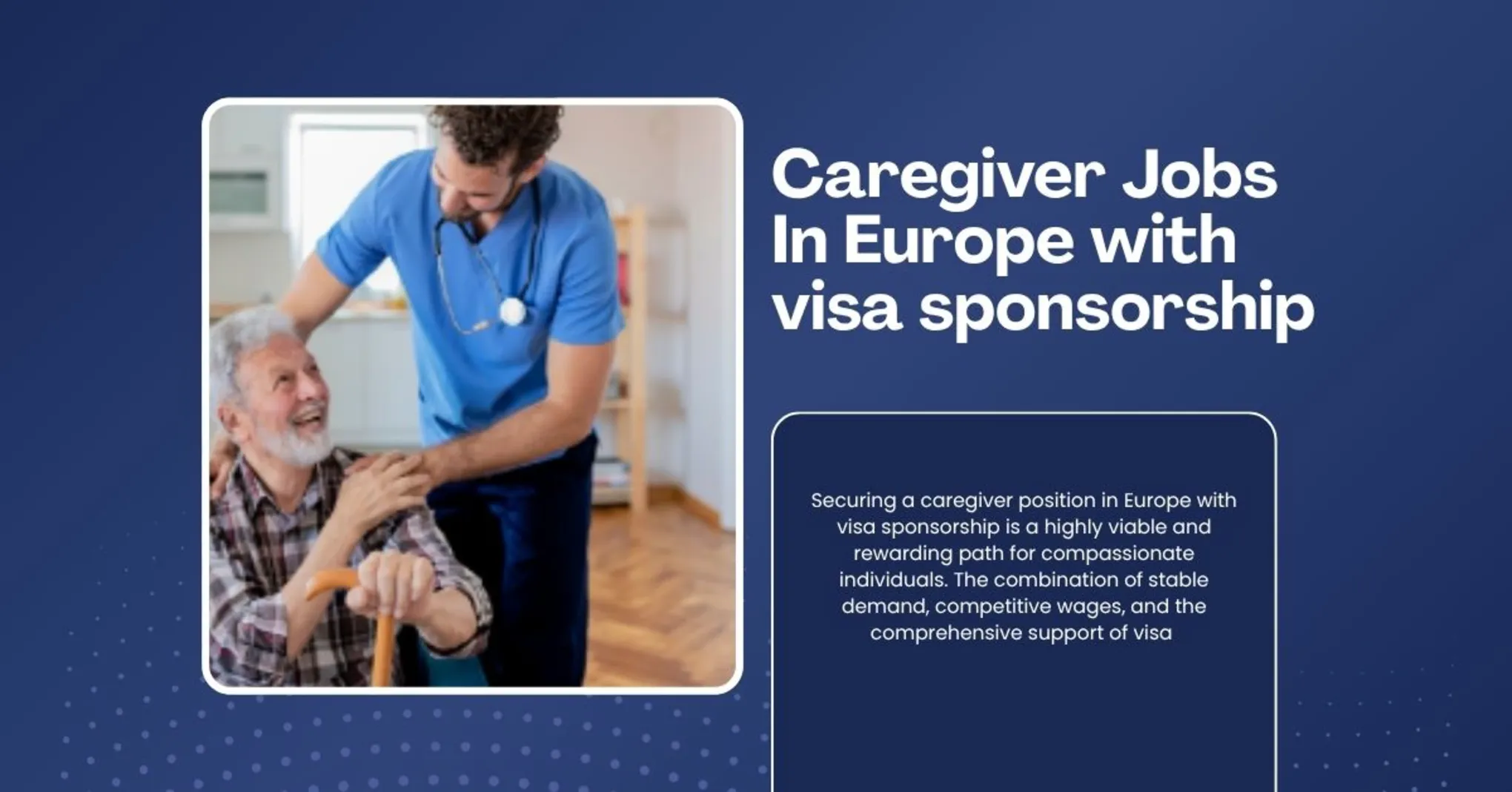
Imagine turning your compassion into a rewarding career while exploring the rich history and diverse cultures of Europe. With an aging population creating a high demand for dedicated caregivers, your nurturing skills are now your ticket to a stable future abroad. European employers are actively seeking individuals like you, offering visa sponsorship, relocation support, and often free accommodation.
This is more than a job; it’s a chance to make a genuine difference in people’s lives while building a new life for yourself in some of the world’s most desirable countries. If you have a caring heart and a strong work ethic, your pathway to a meaningful career in Europe is wide open.
Why Consider a Caregiving Career in Europe?
- High Demand & Job Security: Europe’s demographic shift ensures long-term need in elderly care, disability support, and home healthcare.
- Visa Sponsorship: Reputable employers facilitate the work visa and residency permit process.
- Competitive Compensation & Benefits: Enjoy fair wages, regulated working hours, and comprehensive benefits packages as per EU labor standards.
- Professional Development: Access to funded training and certification programs to advance your skills.
- Cultural Immersion: Live and work in diverse European countries, gaining invaluable life and professional experience.
- Pathway to Stability: Many roles offer full-time contracts, accommodation, and a clear path toward long-term residency in some countries.
Job Overview
- Job Title: Caregiver, Care Assistant, Support Worker, Home Help
- Locations: High demand in Germany, Austria, the Netherlands, France, Italy, Spain, Belgium, and Scandinavia.
- Sectors: Private households, retirement homes, nursing agencies, and healthcare facilities.
- Employment Type: Typically Full-Time
- Visa Sponsorship: Yes, provided by the employer.
Common Caregiver Roles & Responsibilities
Your duties will vary but often include
- Personal Care: Assisting with bathing, dressing, grooming, and toileting.
- Mobility Support: Helping with transfers, walking, and using mobility aids.
- Meal Preparation: Planning and cooking nutritious meals according to dietary needs.
- Medication Management: Providing timely reminders and assisting with medication.
- Companionship: Offering emotional support, conversation, and social interaction.
- Light Housekeeping: Performing tasks like laundry, cleaning, and grocery shopping.
- Health Monitoring: Observing and reporting any changes in the client’s condition to family or medical professionals.
Qualifications & Requirements
While entry-level opportunities exist, competitive candidates will possess:
- Education:
- A high school diploma is often the minimum.
- A recognized caregiving certificate or diploma (e.g., NVQ, HHA, CNA) is a significant advantage.
- Experience:
- Prior experience (1-2 years) in caregiving, nursing, or a related field is highly preferred.
- Experience can be from private homes, hospitals, or care facilities.
- Language Skills:
- Basic to intermediate English is often required.
- Proficiency in the local language (e.g., German, French, or Dutch) is a major advantage and is required for many higher-paying roles and client-facing positions.
- Personal Attributes:
- Patience, empathy, reliability, and a genuine passion for helping others.
- Physical stamina and emotional resilience.
- Clean criminal background check.
Salary & Benefits
- Salary: Monthly gross salaries typically range from €1,800 to €3,200, depending on the country, your experience, and qualifications. Hourly rates are common, ranging from €12 to €20+.
- Typical Benefits Package:
- Visa & Work Permit Sponsorship
- Accommodation or a Housing Allowance (very common)
- Health Insurance (mandatory in most EU countries)
- Paid Vacation & Sick Leave (as per local labor laws)
- Travel Allowance or reimbursement
- Ongoing Training and professional development opportunities
How to Apply: A Step-by-Step Guide
- Self-Assessment & Preparation:
- Identify Your Skills: Document your experience, even if it’s informal (e.g., caring for a family member).
- Get Certified: If possible, obtain a basic caregiving certificate to strengthen your application.
- Learn the Language: Begin learning the basics of the language of your target country.
- Search for Jobs on Reputable Platforms:
- International Job Boards: Indeed, Glassdoor, Monster.
- Specialized Caregiver Sites: Care.com, Yoopies.
- EU Platform: The official EURES portal (europa.eu/eures).
- Recruitment Agencies: Target agencies that specialize in placing healthcare staff in Europe (e.g., international staffing firms with a healthcare division).
- Prepare Your Application:
- Create a Professional CV: Highlight your caregiving experience, relevant skills (e.g., patience, first-aid knowledge), and language abilities. Use a clean, modern template.
- Write a Tailored Cover Letter: Express your motivation and explain why you are suited for a caregiving role abroad. Mention your flexibility and willingness to relocate.
- Ace the Interview:
- Be prepared for video interviews.
- Demonstrate your compassion, reliability, and understanding of the role’s responsibilities.
- Ask informed questions about the clients, working hours, and the support provided by the employer.
- Understand the Visa Process:
- Once hired, your employer will guide you through the specific visa application (e.g., Germany’s EU Blue Card or a specific work visa for caregivers).
- You will need to provide documents like your passport, employment contract, educational certificates, and a clean criminal record.
Conclusion
A career as a caregiver in Europe with visa sponsorship presents a unique and accessible opportunity for individuals seeking both professional and personal fulfillment abroad. The combination of stable demand, competitive wages, comprehensive benefits, and the chance for cultural immersion makes this a highly attractive pathway. For compassionate candidates, this role offers not just employment but a supported journey to a new life, providing the rare dual reward of meaningful work and international experience.
Frequently Asked Questions
What is the typical salary range for caregivers?
Caregivers can expect to earn between €10 to €20 per hour, depending on the country and level of experience. This typically translates to a monthly salary of €1,800 to €3,200.
Is accommodation provided with these jobs?
Yes, in many cases. The job details specify that employers often provide free accommodation, and sometimes meals, as part of the employment package.