
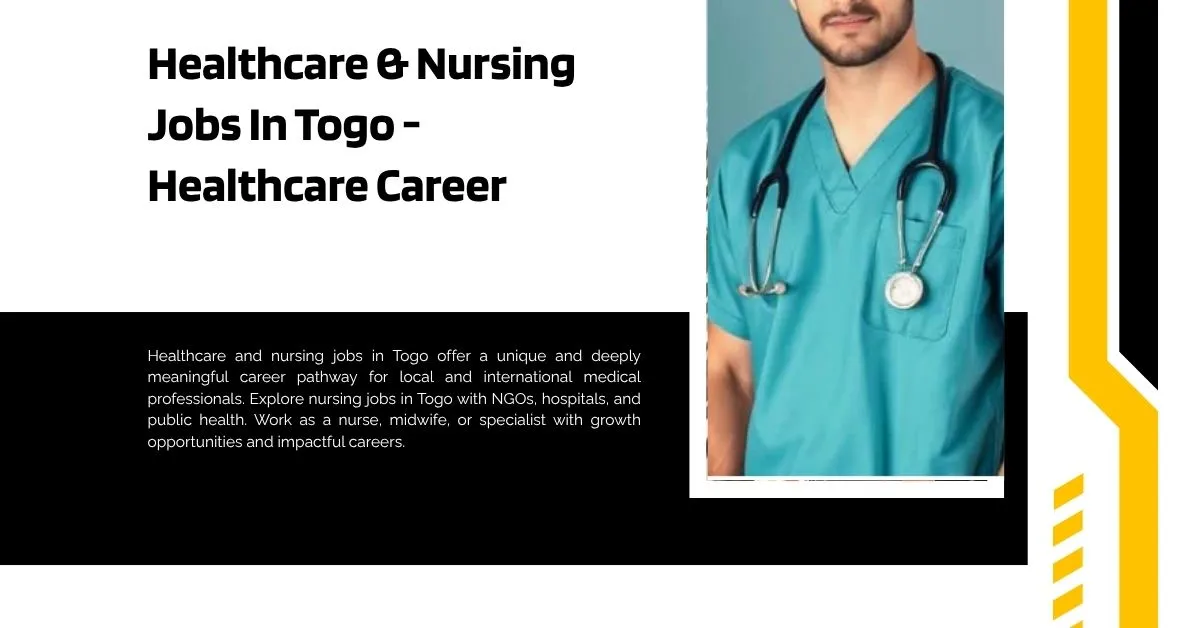
Working in healthcare in Togo isn’t just about earning a salary; it’s about making a real difference where it matters most. In a country where access to quality healthcare is still developing, every nurse, doctor, and healthcare worker plays a vital role in saving lives and strengthening communities.
Healthcare professionals in Togo can earn between $190 and $1,600 per month, depending on experience and the type of organization. While the pay may seem modest, the impact is powerful. You’ll work closely with patients who truly depend on your skills, compassion, and dedication.
Why Work in Healthcare in Togo?
Togo, a small but vibrant West African nation, is transforming its healthcare system. While challenges such as limited infrastructure and staff shortages exist, nurses and healthcare professionals are in high demand.
Working in Togo provides:
- Hands-on experience in diverse medical settings
- Opportunity to impact underserved communities
- Exposure to public health initiatives, rural healthcare, and NGO projects
- Growth opportunities through training and professional development
Key Healthcare and Nursing Roles in Togo
- General Nurses: Patient care, monitoring, wound care, basic treatments in hospitals and clinics.
- Midwives & Maternal Health Nurses: Support safe deliveries, reduce maternal mortality, provide antenatal care.
- Pediatric Nurses: Vaccinations, neonatal care, treatment of childhood illnesses.
- Community Health Nurses: Rural outreach, preventive care, disease education, malaria control.
- Public Health Nurses: Collaborate with WHO, UNICEF, and government programs for health campaigns.
- Specialized Nurses (ICU, Surgery, Emergency Care): Growing demand in Lomé hospitals.
- NGO Healthcare Roles: Work with MSF, UNICEF, CRS on HIV/AIDS, malaria, malnutrition, maternal health.
- Mental Health Nurses: Support psychiatric care and growing mental health initiatives.
- Infectious Disease Nurses: Manage outbreaks of malaria, yellow fever, and tropical diseases.
- Geriatric & Palliative Care Nurses: Care for elderly and chronic illness patients.
Top Healthcare Employers in Togo
- Centre Hospitalier Universitaire Sylvanus Olympio (CHU-SO), Lomé – Largest teaching hospital with specialized care.
- Centre Hospitalier Universitaire Campus (CHU-Campus), Lomé – Research and advanced healthcare.
- Regional & District Hospitals – CHU Kara and others provide rural healthcare services.
- Ministère de la Santé et de l’Hygiène Publique – Government healthcare programs and staffing.
- Médecins Sans Frontières (MSF) – Emergency and primary care, particularly in underserved areas.
- UNICEF Togo – Maternal and child health initiatives and vaccination drives.
- WHO Togo – Disease prevention, health education, and training programs.
- Faith-Based Hospitals & NGOs – CRS, Catholic hospitals hiring nurses, midwives, and caregivers.
Benefits of healthcare and nursing jobs in Togo
- Growing demand for healthcare professionals
Togo’s healthcare system is developing, creating steady demand for nurses, doctors, and allied health workers. - Job stability in an essential sector
Healthcare roles remain in constant demand, offering reliable and long-term employment opportunities. - Opportunities in public and private sectors
Nurses can work in government hospitals, private clinics, and NGO-supported healthcare programs. - Impactful and meaningful work
Healthcare professionals directly contribute to improving patient care and community health outcomes. - Opportunities with NGOs and international organizations
Many global health projects operate in Togo, providing structured roles, better resources, and training. - Career growth and skill development
Working in Togo helps build strong clinical experience and opens doors to advanced roles over time. - Exposure to diverse medical cases
Professionals gain hands-on experience treating a wide range of conditions, especially in community and rural healthcare settings. - Improving healthcare infrastructure
Ongoing development in hospitals and clinics creates better working environments and new job opportunities. - Cultural and language experience
Working in Togo allows you to engage with local communities and, in many cases, improve French language skills. - Pathway to international career opportunities
Experience gained in Togo can enhance your profile for healthcare jobs with global organizations or abroad.
Qualifications and Requirements
Educational Background:
- Diploma or degree in nursing, midwifery, or healthcare-related fields.
- Specialized training for ICU, surgery, or emergency care roles.
Licensing & Registration:
- Nurses must register with Togo’s Ministry of Health.
- Foreign-trained healthcare workers require recognition of qualifications.
Language Skills:
- French is essential; local languages (Ewe, Kabye, and Mina) are helpful in rural areas.
Experience:
- 0–2 years for general roles; 2–5 years for specialized or NGO positions.
Skills & Attributes:
- Compassion, teamwork, adaptability, patience, and ability to work under high patient loads.
For Foreigners:
- Work permit and residency visa required.
- NGOs often assist with paperwork and credential recognition.
Salary Expectations
| Role | Monthly Salary (CFA) | Approx. USD | Notes |
|---|---|---|---|
| Nurses & Midwives (Entry) | 120,000 – 180,000 | $190 – $285 | Public hospitals |
| Experienced Nurses / Leaders | Up to 250,000 | $400 | Leadership roles |
| Doctors / General Practitioners | 300,000 – 500,000 | $475 – $800 | Public & private |
| Specialists (Surgeons, Pediatricians) | Higher | $800+ | Private hospitals / NGOs |
| Community Health Workers | 80,000 – 120,000 | $125 – $190 | NGO-supported roles |
| NGO / International Organization Nurses | 400,000 – 1,000,000 | $650 – $1,600 | MSF, UNICEF, WHO |
Other Benefits:
- Pension and healthcare for government employees
- Housing, travel allowances, or insurance in NGOs
Application Process
- Research Opportunities: Ministry of Health, NGO portals (ReliefWeb, Devex), private hospitals.
- Prepare Documents: CV in French, diplomas, licenses, certificates of specialization, and cover letter.
- Submit applications online, via email, or through official portals.
- Screening & Shortlisting: Verification of qualifications; NGOs often review foreign credentials.
- Interview: Face-to-face or online; includes technical and behavioral assessments.
- Licensing & Work Authorization (Foreigners): Credential recognition, work permit, residency visa.
- Job Offer & Onboarding: Salary, benefits, and orientation details provided.
Advantages of Working in Togo
- Real-world healthcare experience in resource-limited settings
- Opportunity to improve public health and patient outcomes
- Career development through NGO and international collaborations
- Cross-cultural exposure and networking
Conclusion
Healthcare and nursing jobs in Togo offer a unique blend of professional growth and meaningful impact. From public hospitals to international organizations, opportunities are expanding for both local and foreign professionals.
Although challenges like limited infrastructure exist, they also create space for innovation, resilience, and real-world experience that strengthens your career. With salaries ranging from $190 to $1,600 per month, plus additional benefits from NGOs and government roles, Togo presents a valuable opportunity for those passionate about healthcare.
Frequently Asked Questions
Can foreign nurses and doctors work in Togo?
Yes, with recognition of qualifications and a work permit. NGOs often facilitate this.
Is French required?
Yes. Fluency in French is essential; local languages help in rural areas.
What are the main challenges?
Limited resources, high patient loads, and occasional shortages of supplies.
Are there growth opportunities?
Yes. Training programs, workshops, and NGO projects provide professional development.
Are salaries competitive?
Salaries are moderate; NGO roles typically offer higher pay and extra benefits.