
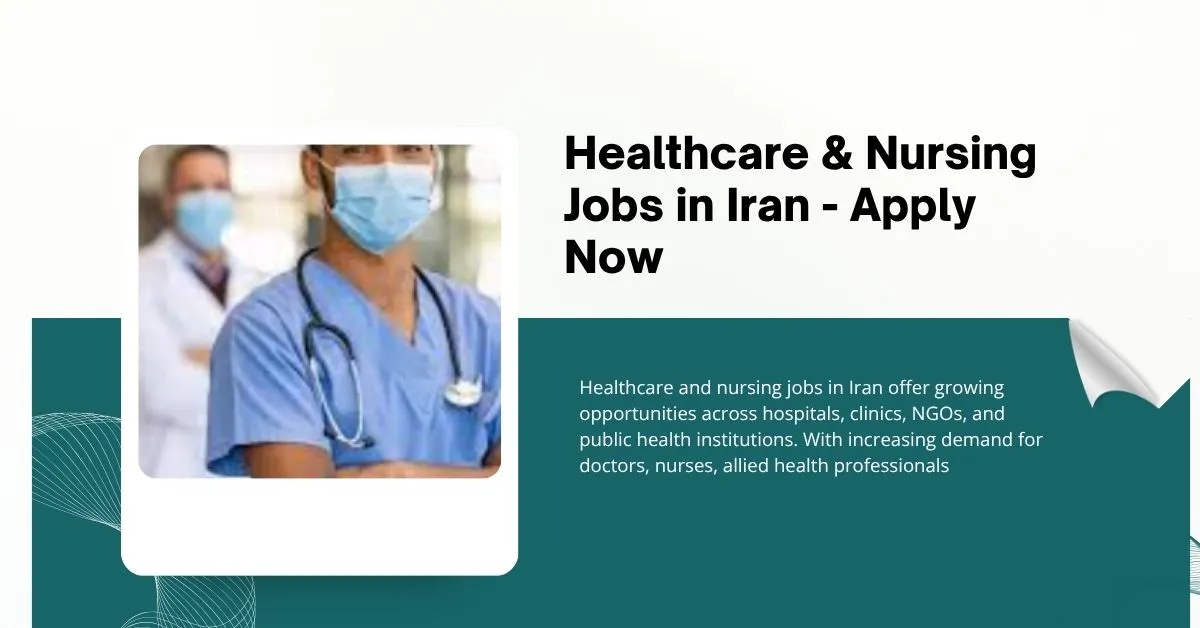
Healthcare jobs in Iran are in steady demand due to rising population needs, hospital expansion, and a growing focus on chronic disease management. Both local and foreign-qualified professionals can find opportunities in hospitals, clinics, research centers, and public health programs provided they meet licensing and language requirements.
Salaries vary by role, with registered nurses earning around 60 to 120 million IRR per month, while specialist doctors can reach 250 to 450 million IRR monthly. But beyond the income, what stands out most is the impact your work directly supports communities facing real healthcare challenges every day.
For many professionals, it’s not just a job. It’s a chance to build purpose, stability, and a meaningful career in a system that continues to evolve.
Why Healthcare Jobs Are Increasing in Iran
Iran’s healthcare system is expanding to meet new medical challenges, including an aging population, increasing chronic diseases, and uneven healthcare access between urban and rural areas. Cities like Tehran, Shiraz, and Isfahan have advanced hospitals, while rural regions still face staffing shortages.
The system is regulated by the Ministry of Health and Medical Education, which oversees hospitals, medical universities, and public health programs across the country. This centralized structure creates consistent demand for qualified healthcare professionals nationwide.
Main Healthcare & Nursing jobs in Iran
Healthcare jobs in Iran are available across clinical, technical, and public health sectors. Hospitals, teaching universities, and private clinics are the main employers.
1. Doctors and Specialists
General practitioners and specialists (cardiology, oncology, internal medicine) are in high demand due to rising non-communicable diseases.
2. Nursing and Midwifery
Nurses are essential in ICUs, surgical wards, maternity units, and emergency departments. Midwives are especially needed in rural maternal health centers.
3. Laboratory and Imaging Professionals
Lab technicians, radiographers, and sonographers support diagnosis through advanced medical testing and imaging systems.
4. Pharmacists and Pharmacy Technicians
Pharmacists manage medication safety, hospital dispensing, and pharmaceutical research roles in both public and private sectors.
5. Allied Health Professionals
Physiotherapists, occupational therapists, and rehabilitation specialists help patients recover from surgery, injury, and chronic conditions.
6. Mental Health Workers
Psychologists and counselors are increasingly needed due to rising awareness of mental health conditions in urban populations.
Why Iran Needs More Healthcare Workers
Iran’s healthcare demand is shaped by structural and demographic changes:
Aging Population and Chronic Disease
Life expectancy in Iran is increasing, leading to higher cases of diabetes, cardiovascular diseases, and cancer—requiring long-term care specialists.
Rural Healthcare Gaps
Rural provinces often lack doctors and nurses, creating strong demand for professionals willing to work in underserved regions.
Medical Modernization
Hospitals are adopting modern diagnostic tools and telemedicine systems, increasing demand for tech-skilled healthcare workers.
Public Health Expansion
Vaccination programs, preventive care, and health education campaigns are expanding nationwide, creating new job roles in community health.
Top Employers in Iran’s Healthcare Sector
Healthcare professionals in Iran can work in public institutions, private hospitals, NGOs, and international health programs.
1. Public Healthcare System
The Ministry of Health and Medical Education manages most hospitals and clinics across the country, offering stable employment and structured salaries.
2. Medical Universities and Teaching Hospitals
Institutions like Tehran University of Medical Sciences and Shiraz University of Medical Sciences provide clinical work, training, and research opportunities.
3. Private Hospitals
Private healthcare facilities in Tehran and other major cities offer modern equipment and higher salaries, especially for specialists.
4. Iranian Red Crescent Society
The Iranian Red Crescent Society provides emergency response, disaster relief, and mobile healthcare services.
5. NGOs and International Health Programs
Organizations like WHO and UNICEF support vaccination, maternal health, and disease control projects in collaboration with Iranian health authorities.
Qualifications Required to Work in Iran’s Healthcare Sector
Healthcare jobs in Iran require formal education, licensing, and professional registration depending on the role.
Doctors
- Medical degree (recognized institution)
- Internship completion
- Registration with medical regulatory authorities
- Specialist residency for advanced roles
Nurses & Midwives
- Bachelor’s degree in nursing or midwifery
- Clinical training completion
- Registration with national nursing authorities
Allied Health Professionals
- Diploma or degree in relevant field
- Licensing from health authorities
- Practical competency assessments (where required)
Pharmacists
- PharmD degree
- Internship training
- Registration with pharmaceutical regulatory body
Foreign Applicants
- Credential evaluation by Iranian authorities
- Persian (Farsi) language proficiency
- Equivalency exams (if required)
Step-by-Step Guide to Applying for Healthcare Jobs in Iran
Step 1: Check Eligibility
Confirm your qualifications meet Iranian standards before applying.
Step 2: Get Professional Registration
Register with the relevant council based on your profession (medical, nursing, pharmacy).
Step 3: Prepare Documents
- Degree certificates
- Work experience letters
- Passport or ID
- Licensing proof
Step 4: Translate CV into Persian
Most employers require CVs translated into Farsi by certified translators.
Step 5: Apply Through Trusted Channels
- Ministry of Health portals
- Hospital websites
- Teaching hospitals
- NGO recruitment platforms
Step 6: Attend Interviews
Expect clinical scenario questions and practical skill assessments.
Step 7: Visa & Work Permit
Foreign workers must obtain a work permit through the Ministry of Cooperatives, Labour and Social Welfare, usually sponsored by employers.
Salary Expectations in Iran
Healthcare salaries vary depending on experience, specialization, and location.
Specialist Doctors
- 250–450 million IRR/month
- Higher in private hospitals
General Doctors
- 120–200 million IRR/month
Registered Nurses
- 60–120 million IRR/month
- Higher for ICU and emergency roles
Midwives
- 50–90 million IRR/month
Allied Health Professionals
- 50–100 million IRR/month
Private sector jobs typically pay more, especially in Tehran and major cities.
Working Conditions & Career Growth
Healthcare professionals in Iran work in diverse environments ranging from modern hospitals to rural clinics.
Public Sector
- Stable employment
- Heavy patient loads
- Structured salary system
Private Sector
- Better facilities
- Higher salaries
- Competitive hiring standards
Career Progression
- Doctors → specialist training → private practice
- Nurses → ICU specialization → management roles
- Allied health → advanced certifications → teaching roles
Conclusion
Iran’s healthcare sector in 2026 offers strong career opportunities for both local and international professionals. Growing healthcare demand, hospital expansion, and rural staffing shortages are creating consistent job openings across all medical fields.
However, success depends on proper licensing, language readiness, and understanding Iran’s regulatory system. Always verify job offers through official channels before applying or relocating.
Frequently Asked Questions
Do I need to speak Persian to work in Iran’s healthcare sector?
Yes, Persian (Farsi) is essential for most clinical roles involving patient care.
Can foreign healthcare workers get jobs in Iran?
Yes, but they must pass credential evaluation and meet licensing requirements.
Which healthcare jobs are most in demand?
Doctors, nurses, midwives, lab technicians, and mental health professionals are highly needed.
How long does the hiring process take?
Local hiring may take weeks, while foreign recruitment can take several months.